

[ad_1]
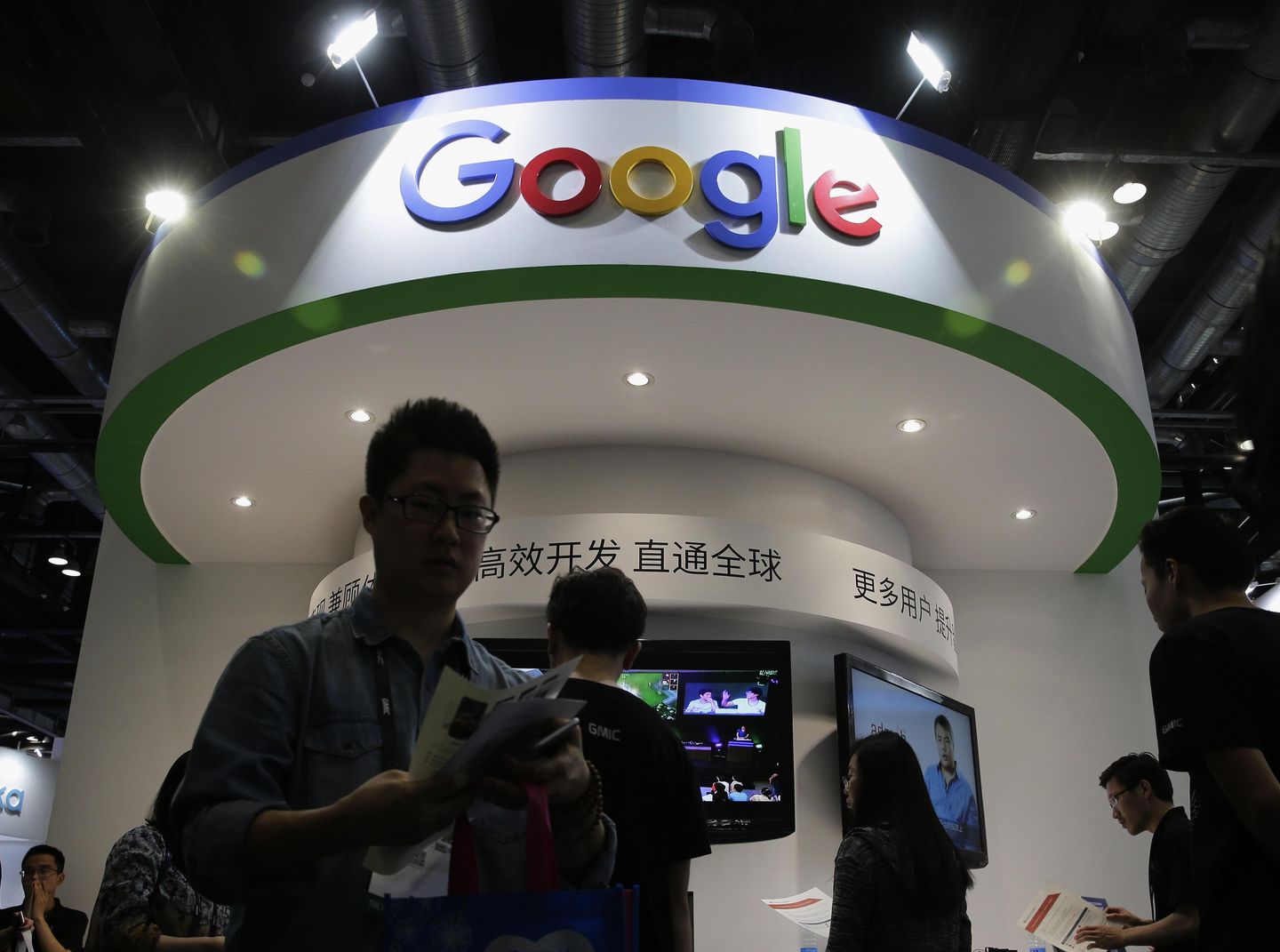
According to a new study by the Brookings Institution and the Alliance to Secure Democracy, results from Google search engines increase China’s preferred narratives about the origins of COVID-19 and human rights abuses.
In response to inquiries about COVID-19 and the location of alleged human rights abuses against Xinjiang, a northwestern Chinese province, and the Uyghurs and Uyghurs, Google News and YouTube are more likely to spread Chinese state media than Google’s main search engine. found that. other ethnic minorities.
“The Chinese government commands a robust communications machine available in dozens of languages, including traditional global media outlets, China’s so-called ‘wolf warrior’ diplomats, pro-government trolls and paid social media phenomena,” the report said. “This multi-layered system empowers and legitimizes China’s strategic messaging by allowing China to shape and control narratives, both overt and covert. Efforts to defend China’s narrative sovereignty, once largely defensive and designed to isolate China from so-called information threats from abroad, are increasingly driven by foreign propaganda targeting foreign audiences.
The authors of the study daily data collected More than 120 days ended February 2022 in search terms related to COVID-19 and Xinjiang from services including Google News and Search, Microsoft-owned Bing and Bing News, and Google-owned YouTube.
Chinese state-sponsored content appeared in top search results “overall” for the treatment of Uyghurs in Xinjiang, with more than 21% of results coming from government-run sources.
Search results about COVID-19 were less likely to show state-run media than queries about Xinjiang, which the study’s authors attribute to the abundance of coronavirus content from other sources, including the private and public sectors.
However, the news-driven search products of Google and Microsoft-owned Bing produced results that raised Chinese state media more than the main search engines.
“Chinese state media accounts for approximately 22% of the pages viewed in the search results and 25% of the channels observed for the news and YouTube searches on Xinjiang-related questioned topics and the origin of the coronavirus, respectively,” the report said. “For comparison, Chinese state media only accounted for 6% of results for the same queried topics in Google and Bing web search.”
Google said it sought to maintain access to information while indexing hundreds of billions of web pages, while trying to combat coordinated influence and censorship operations online.
“Third-party research shows that Google Search consistently delivers high-quality results, especially when compared to other search engines,” the company said in a statement. “As the report states, we have implemented many product solutions that help people easily evaluate the information and resources they find. We also provide clear information panels on YouTube to inform viewers that a news broadcaster is government-funded.”
Despite Google raising China’s state-run content, the study’s authors said they were unable to determine whether state-run organizations were manipulating search engine vulnerabilities to dominate results, or whether search engines were responding to overwhelming content. innovation.
“While this report does not prove that Chinese state media has made deliberate efforts to capture strategic search terms, the results for audiences have remained largely unchanged,” the report said. “Propaganda and state narratives are filled with political intent by design. Even if prominence among search results is an unintended consequence of the resource advantage of government domains and strategic use of language, the negative impact on the integrity of search environments remains.”
Microsoft did not immediately respond to requests for comment.
For more information, visit The Washington Times COVID-19 resource page.
[ad_2]
Source link