

[ad_1]
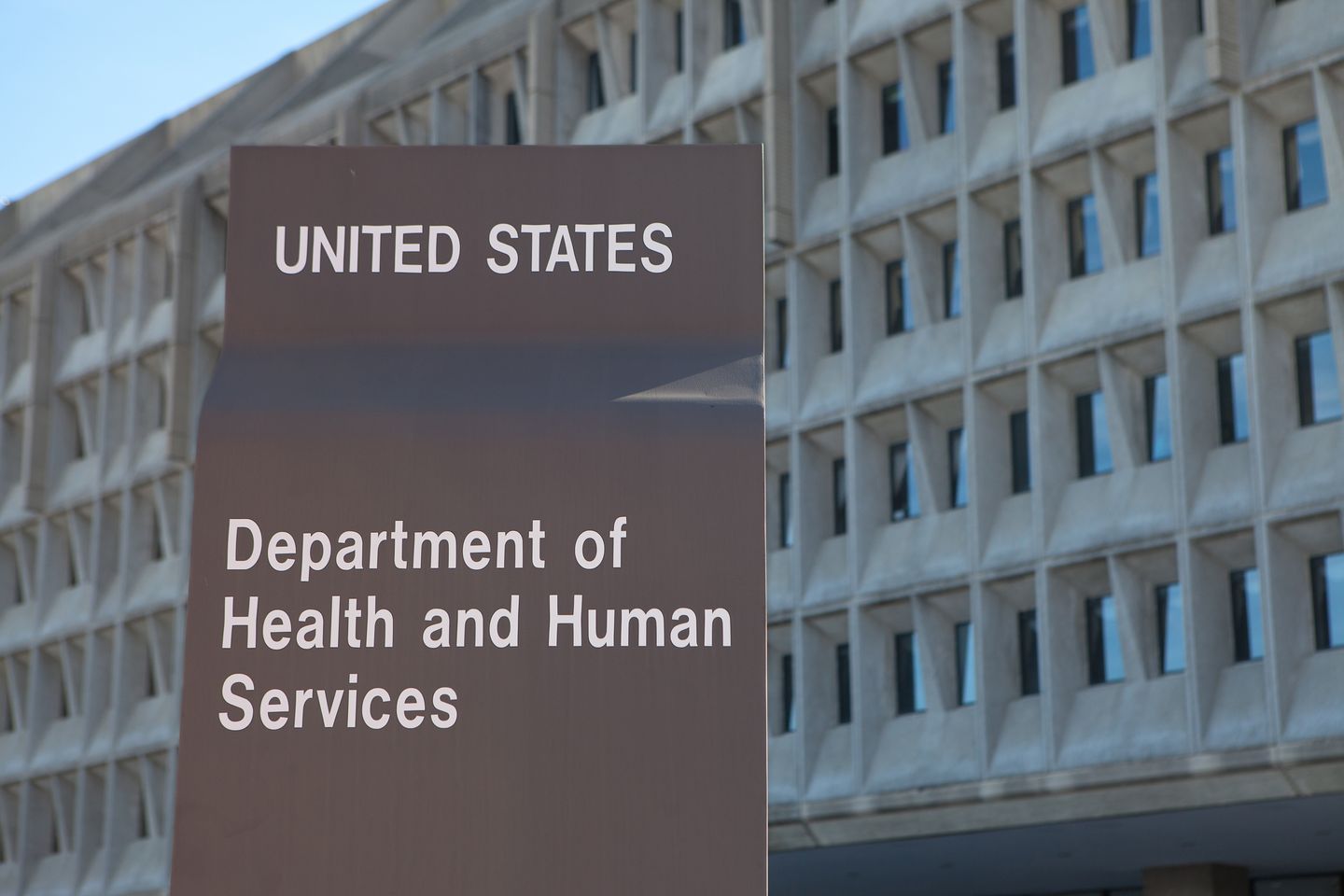
Federal internal investigators have uncovered the alarming failures of universities that require scientists doing taxpayer-funded research to disclose when they also receive pocket money from taxpayers. Chinese and other foreign countries.
The Inspector General of the Department of Health and Human Services said that failure to enforce disclosure rules exposes critical biomedical research to theft. Chinese.
Joanna Bisagier, the deputy district inspector general who worked on the report, said that widespread disregard of government rules was not expected and she did not know whether this was due to ignorance, carelessness or malice of the grantees.
“We did not expect the sizable percentage of grantees that do not comply with federal requirements for disclosure of foreign financial interest and support,” Ms Bisagier said in an interview.
More than two-thirds of National Institutes of Health grant recipients surveyed by the inspector general—69%—were unable to require their researchers and scientists to disclose at least one type of foreign financial interest or support required under HHS and National Institutes of Health guidelines. , according to an IG report released this month.
The office of the inspector general surveyed 617 grant recipients from October 2020 to January 2021, whose research covers all of NIH funding, including neuroscience, cardiovascular science, and infectious disease research. The inspectorate general refused to identify grant recipients, except to say they work at universities and other institutions, and that the NIH gave $31 billion to grant recipients in fiscal 2020.
According to Ms. Bisagier, when the inspector general’s office stepped in, she discovered the potential for a conflict of interest that could jeopardize the integrity of the NIH’s work. For example, 45% of the 277 institutions or grantees surveyed did not require their researchers and scientists to disclose all of their holdings or ownership interests in non-public entities.
If a scientist has stake in a foreign group researching the same thing the U.S. government pays them for their research, the government needs to know the full extent of the foreign business relationship. Ms Bisagier said keeping it secret poses a risk of intellectual property theft by foreign organizations and governments.
The OIG did not track the locations behind the undisclosed external conflicts of interest, but the report makes it clear: Chinese It is the biggest threat to NIH research and problems from years past.
“For example, a grantee’s NIH-funded investigators failed to disclose the Chinese government’s research grants, and the grantee failed to adequately research the information they had about the investigators’ relationships and affiliations, resulting in the grantee paying $6.6 million in False Claims Act payments. ” said the report. “In another example, [a researcher] He was convicted of charges that included making false statements about the funds he received from the NIH. ChineseThe Thousand Talents Plan, a government-run program aimed at pushing scientists forward Chinese‘ scientific development, economic prosperity, and national security.”
Last year, the NIH told Congress that more than 500 federally funded scientists, Chinese and other foreign powers.
Other federal agencies must also contend with the threat of their foreign investigators being compromised by foreign currency. It became a problem at the CIA and the Department of Defense, forcing both to create new programs to avoid foreign influence.
The NIH said it agreed with the recommendations of the inspector general report.
In response to the report, the agency told the inspector general that it would make changes based on the chief inspector’s recommendations. For example, Tara A. Schwetz, acting deputy director of the NIH, has committed to posting new announcements, updating their webpage, and providing better education for NIH grant recipients.
“Beginning in fiscal year 2022, the NIH will seek to change reporting mechanisms to require grantees to report whether significant financial interests of the researcher and other support involve foreign organizations,” Ms Schwetz said in a letter to the investigative general report. “The Guidance Notice referred to above is also a [financial conflict of interest] Reminds that investigators must disclose all foreign financial interests.”
[ad_2]
Source link